



Zero Emission Löyly: Testing Finland’s First Hydrogen Sauna
During the summer of 2025, three unusual sauna units were revealed for the first time. Sauna cabins heated by stoves burning hydrogen were the world’s first demonstrators showing that hydrogen can be successfully used as a sauna energy source as well. This short test report describes the technology and my firsthand experiences of sweating inside one of the units.
Origins of the hydrogen sauna
Of the many energy sources that could potentially heat a sauna, hydrogen remained the only untested solution for a long time. That changed in summer 2025 when the Central Finland Mobility Foundation (Cefmof) in Jyväskylä combined Toyota’s hydrogen expertise with Harvia’s sauna know-how to produce the first functional prototype of a hydrogen sauna.
The hydrogen sauna heaters were placed in three identical (mobile) sauna units, the first of which was showcased to the public at Hydrogen Pitstop during the Secto Rally Finland in late July. Prior to this, Harvia had been testing the sauna in private and exhibiting the heater alone, for example, at the World Sauna Forum 2025 in Jyväskylä.

What is a hydrogen sauna?
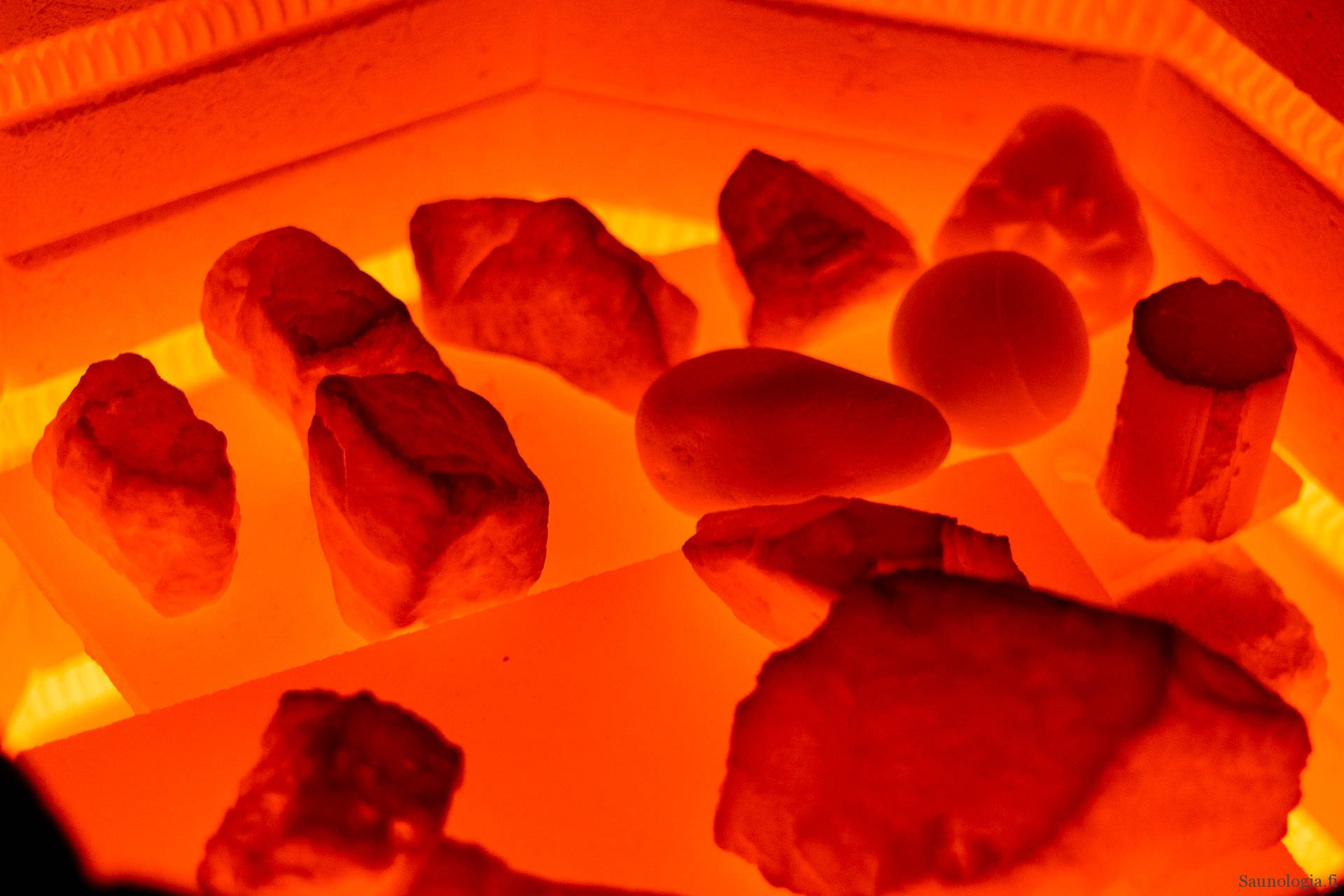
Simply put, the hydrogen sauna is heated by burning hydrogen, which produces the purest combustion process possible, resulting in nearly zero emissions. That means no carbon dioxide, monoxide, or fine particles are created during the process. This also provides an interesting heating method for the sauna stones, resembling heat-storage wood-fired heaters like the smoke sauna heater.

Except for the heater, the prototype sauna unit created at Cefmof is similar to a typical modern backyard sauna for four or five people. The main difference is the heater and its small equipment cabin at the other end. This heater requires control electronics similar to those of an electric sauna heater. The prototype was equipped with a graphical control panel and a room temperature sensor.

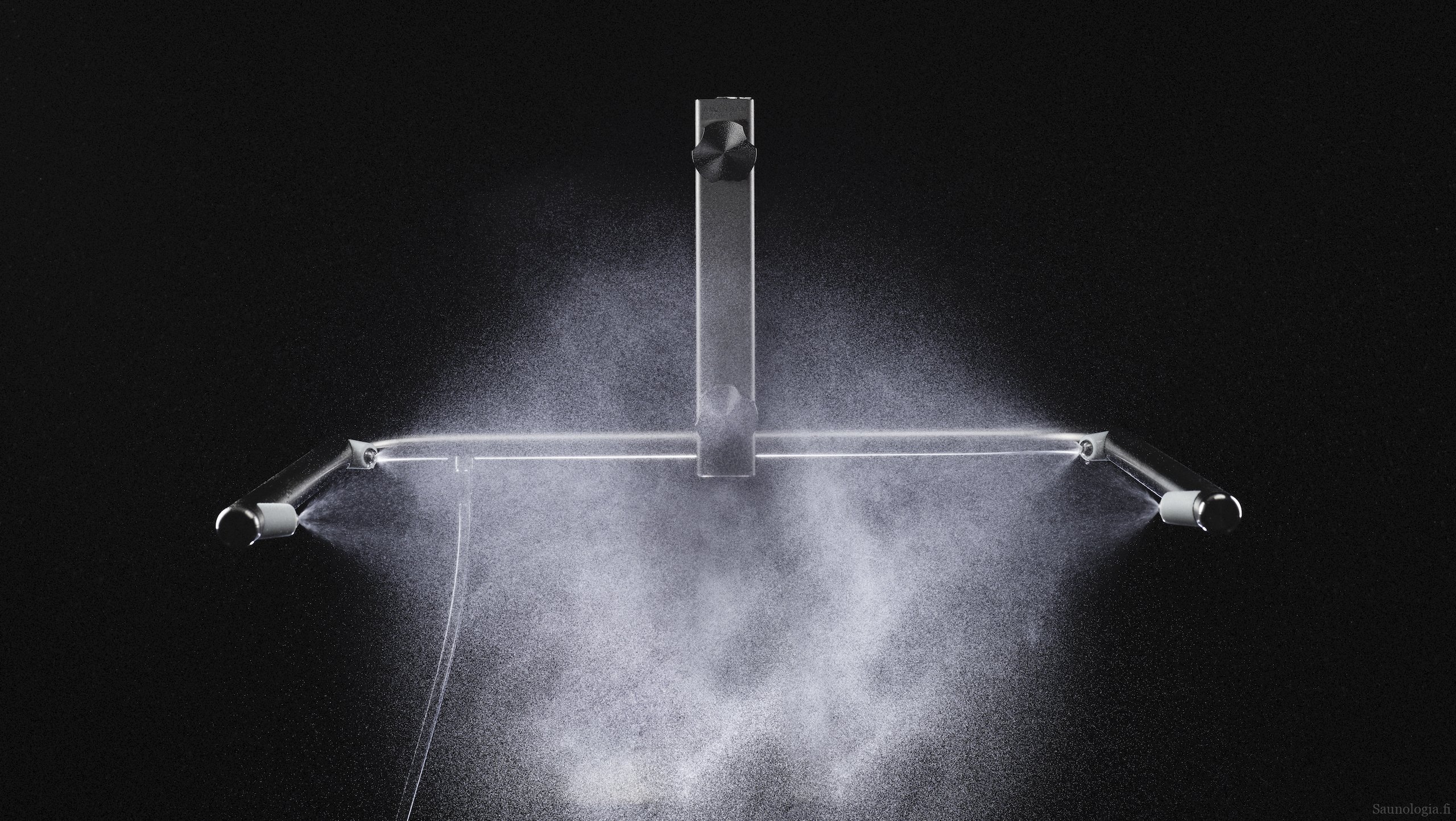
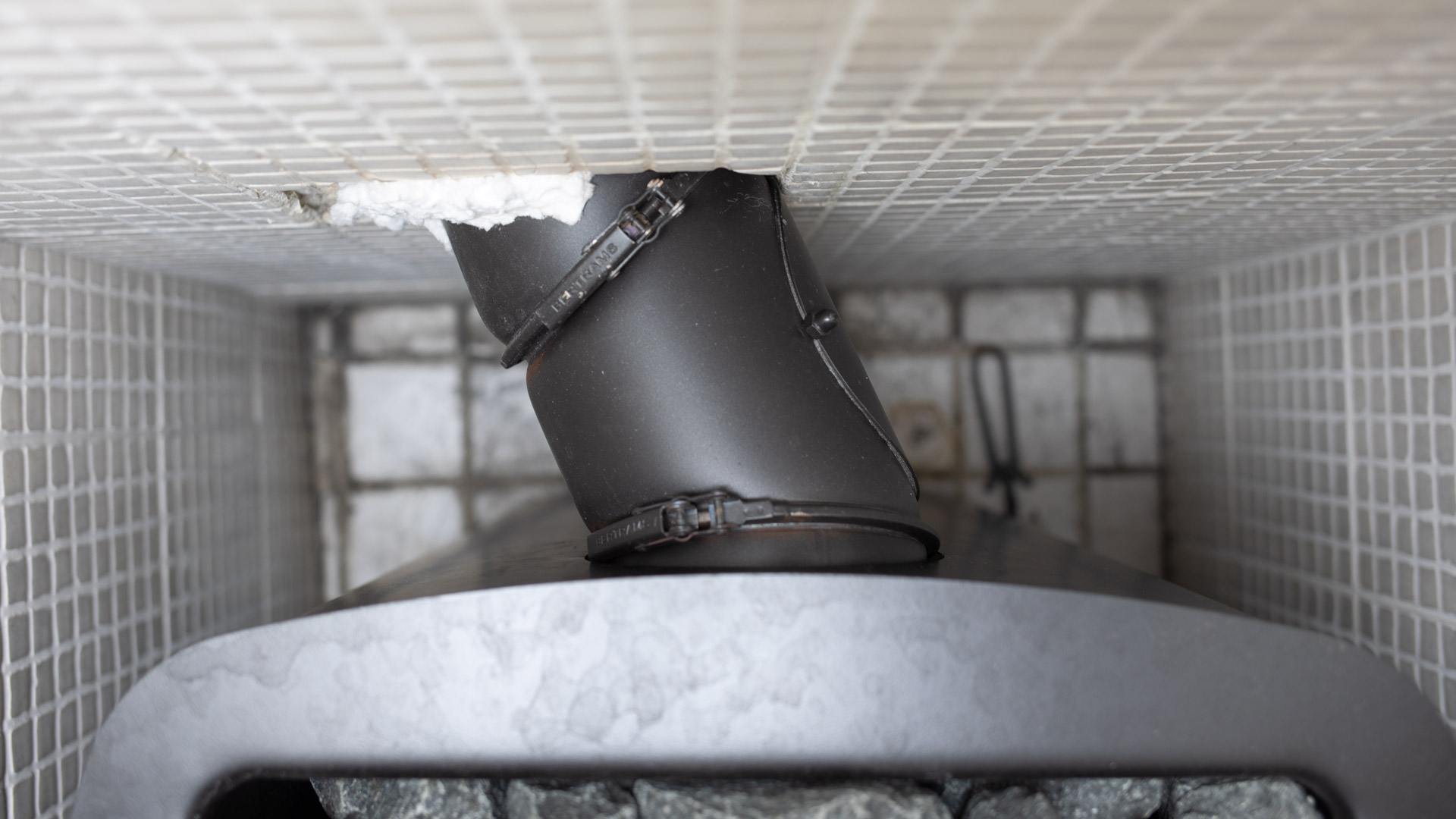
The Harvia-branded novel heater relies on Toyota components, including two separate 8.5 kg, 7 kWh hydrogen gas containers for energy. This can power a medium-sized sauna for a few hours. Toyota has previously used a similar technical solution in a hydrogen-powered cooker. The heater developed in collaboration with Harvia features a modern design but doesn’t stand out or advertise its unusual construction. Hydrogen is supplied through a hidden pipe, and the burner is well-enclosed beneath the stone volume.

The entire setup is transportable on a car trailer. Hydrogen is a lucrative fuel in the sense that it can be packed up in a portable container, even though it is inferior to natural gas in packing efficiency (edit: removed incorrect energy density statement), it contains almost three times the energy of liquified natural gas in a similar compressed volume. This would make it ideal off-grid excursions. Of course, safety and packaging requirements remain a significant concern.
Does a hydrogen sauna feel any different?
I had the chance to try the hydrogen sauna at Harvia’s 75-year celebration event at their Muurame factory in August. Right after the official program ended, I took a seat in the sauna.

Back in June, I heard Timo Harvia, the Chief Technology Officer of Harvia, discuss the early results of hydrogen sauna user testing at the World Sauna Forum 2025, which were very positive. Many people actually seemed to prefer hydrogen heated version, so that’s promising. Later, Timo joined me in the sauna and clarified a few facts about the new technology.

My initial impression of the hydrogen sauna was that it was warm enough. Overall, it seems to work as well as any conventional sauna. It’s just cleaner and greener — no odors, no lights, and only a faint hum from the burner. The löyly was just as satisfying as expected based on the moderate stone temperatures. Promising!
For me, I was not looking for a radically different experience, but to confirm that the technology does not have obvious shortcomings in user experience. This point was proven.

Of course, I had some expectations about the concept, knowing that hydrogen saunas release some water vapor into the room air as a byproduct of the combustion process. On the other hand, it lacks the strong ventilation effect of a continuous wood-burning heater, which might require a specific ventilation design to compensate. I’d say that I couldn’t tell a major difference between this sauna and other good ones, given that there was no identical comparison sauna with a traditional heater.

As a trained scientist, I am not eager to speculate further on the nuances of the experience. In my opinion, one should never attribute too much of the sauna experience’s pros and cons to the heater before ruling out the numerous other factors that influence the outcome. So far, the only concept that so radically changes the stakes for me has been the mechanical sauna air circulation device.
The first step into the future
Although the Cefmof hydrogen sauna proves that the idea is solid, there’s still a long way to go before hydrogen saunas become commercially viable or widely available. The most critical factor is access to readily usable fuel. Toyota’s fuel containers might play a role here, although they are limited without a proper hydrogen production and distribution infrastructure, still missing in Finland, for example.

The heater is another concern. Although the current prototype was a good start and looks like it could hit the hardware stores immediately, Timo pointed out some remaining challenges. For example, the hydrogen heater currently has two power modes: pilot and full burn, making it similar to electric heaters that offer only 0% or 100% power (say, 10% and 100% in the case of hydrogen). The consequence was that the Cefmof prototype sauna was slightly too small for the heater, causing the heater to idle more, which allowed the sauna stones to cool too much despite the room reaching the target temperature. Still, the results were convincing, if not perfect.
According Timo Harvia, it might be feasible in future to produce a similar type of heater in which the power output is continuously adjustable, making it easier to fit in on several room sizes. The idling was considered desirable as it keeps the sauna temperature better regulated (there’s always heat loss to compensate) and also slightly humidified.
Some electric heaters can modulate output by switching elements on and off, but the new heater didn’t have this flexibility. Unless this improves, future hydrogen heaters will likely be built with different power ratings to suit various sauna sizes, like all other contemporary heaters..
Personally, I’m very excited to see, for the first time during Saunologia’s ten-year history, a genuine technological innovation with the potential to make sauna more sustainable than ever. I hope the hydrogen industry continues to develop, so Harvia or another manufacturer might make a green sauna a real option in the future.
For now, two prototype saunas remain in Finland, and one has been shipped to Japan. I encourage you to try it if you ever get the chance — it’s a concrete example of a possible future.
Featured image credits: https://cefmof.org/